

In the broad universe of personal care, household maintenance, and beauty tools, few items are as universally present yet frequently overlooked as the plastic brush. Whether used for gentle facial cleansing, vigorous body scrubbing, detailed nail care, or even household surface cleaning, this category of implements bridges the gap between functionality and affordability. Over the past three decades, the manufacturing landscape for these items has shifted from simple injection-moulded pieces to ergonomically designed, material-optimised solutions that meet diverse consumer expectations. Industry specialists now note that the humble brush has evolved far beyond its original utilitarian design, integrating soft-touch components, antimicrobial additives, and sustainable material streams. This article explores the technical and commercial dimensions of this product segment, highlighting how expert manufacturers continue to innovate while keeping production efficient and reliable.
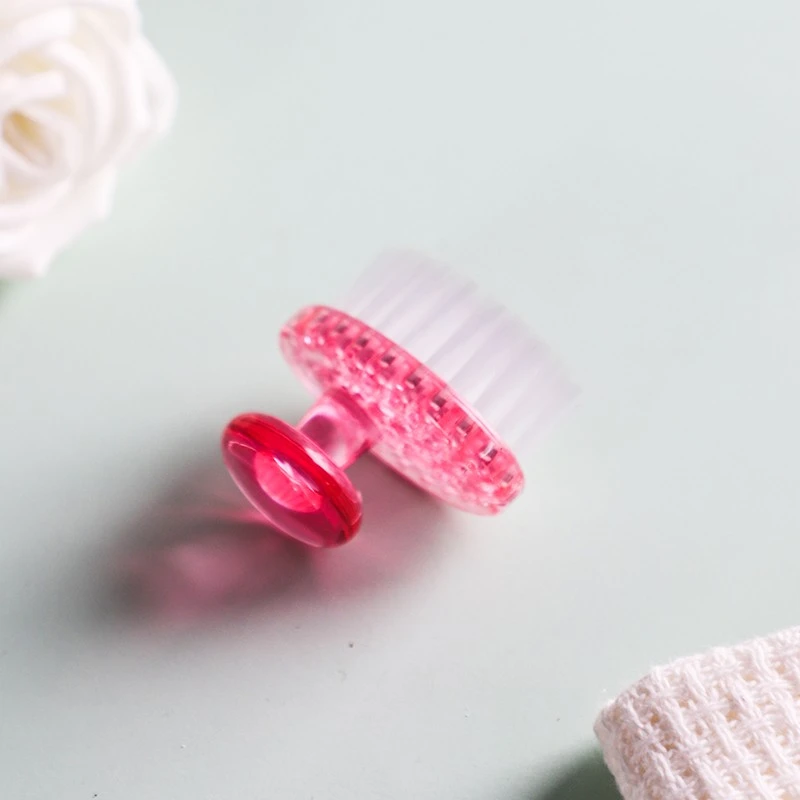
Today’s manufacturing processes rely on advanced polymer selection to achieve specific stiffness, flexibility, and durability. A high-quality plastic brush must resist deformation under repeated wet-dry cycles, withstand exposure to soaps, oils, and mild chemicals, and maintain bristle integrity over extended use. Engineers often choose between polypropylene (PP), acrylonitrile butadiene styrene (ABS), or polyethylene terephthalate (PET) depending on the intended application. For instance, bathroom brushes require excellent water resistance and easy cleaning, while facial cleansing tools need softer bristles and smooth contoured handles. The injection moulding process allows for complex shapes, integrated grips, and even dual-material construction where a rigid core supports a softer elastomer exterior. Additionally, surface finishing techniques—such as matte texturing, polished edges, or frosted effects—enhance both aesthetics and user comfort. Quality control protocols ensure that each unit meets strict parameters concerning bristle pull-out force, handle strength, and resistance to common household chemicals.
The versatility of these products makes them indispensable across multiple market segments. Below is a non-exhaustive breakdown of common types and their primary characteristics, illustrating the breadth of the category.
| Product Type | Primary Material | Key Feature | Typical Use Environment |
|---|---|---|---|
| Bath Brush | Polypropylene handle / Nylon bristles | Long handle, textured grip | Shower or bathtub |
| Facial Brush | ABS body / Soft TPE bristles | Compact size, gentle exfoliation | Sink or vanity area |
| Nail Brush | Polystyrene or PET | Small head, firm bristles | Handwashing station |
| Plastic Massager | ABS with silicone tips | Ergonomic curves, pressure point design | Body care routine |
| Foot File (Pumice stone holder) | Recycled PP with natural stone insert | Dual-action smoothing | Foot care after bathing |
Beyond personal care, these items frequently appear in cosmetic displays, travel kits, and spa amenities. The growing trend of at-home salon treatments has increased demand for professional-grade tools that are both effective and safe for repeated use. Manufacturers have responded by offering variants that combine a plastic brush with complementary items such as cosmetic mirrors, storage boxes, or pumice stones, thereby creating complete sets for retailers. This bundling strategy not only adds value for end users but also streamlines inventory management for distribution partners.
Any reputable production facility prioritises raw material testing to confirm that polymers and additives are free from harmful substances such as phthalates, bisphenol A, or heavy metals. For items intended to contact skin or nails, compliance with regional frameworks like EU REACH or US FDA guidelines is mandatory. Production teams perform periodic checks on melt flow index, tensile strength, and colour fastness. Furthermore, the finished goods undergo simulated use tests—for example, repeated immersion in warm water with standard soaps to verify that neither the handle nor the bristles degrade or discolour prematurely.
Advanced manufacturers implement closed-loop injection moulding systems that minimise material waste while ensuring dimensional consistency. Each mould cavity is monitored for temperature and pressure variations, and samples are taken at predefined intervals for dimensional verification using calibrated gauges. Traceability is maintained through batch coding on product packaging or the item itself, allowing quick identification of production dates, material lots, and machine parameters. This systematic approach reduces variation and ensures that a plastic brush produced in large volumes performs identically to the initial prototype.
Environmental concerns have prompted the industry to explore bio-based polymers, post-consumer recycled resins, and designs that facilitate end-of-life recycling. Some manufacturers now offer products where the handle contains up to a significant proportion of recycled ocean-bound plastic, while bristles remain made of virgin nylon for hygiene reasons. Others have developed modular brushes with replaceable heads, extending the product’s useful life and reducing waste. Additionally, lightweighting strategies—reducing material thickness in non-critical areas—lower the carbon footprint per unit without compromising structural integrity. These efforts align with global movements toward circular economy principles, and early adopters gain a competitive edge in markets where sustainability credentials influence purchasing decisions.
To maintain quality while offering competitive lead times, leading factories often centralise operations under one roof. This includes tooling design and maintenance, raw material compounding, injection moulding, assembly, packaging, and quality assurance. In-house mould manufacturing enables rapid iterations and customised shapes for client-specific requests, while on-site warehousing allows flexible inventory management. A vertically integrated setup also facilitates better control over production schedules, enabling quick response to seasonal demand fluctuations. For instance, during peak seasons for bath and body accessories, factories can allocate additional moulding cells to high-volume items without outsourcing, thereby preserving quality standards.
Market analysts observe a clear shift toward multifunctional and ergonomic designs. Instead of a basic brush, consumers increasingly seek tools that incorporate massage nodes, anti-slip grips, or even replaceable heads for different exfoliation levels. This trend requires manufacturers to invest in more sophisticated mould designs and secondary operations such as ultrasonic welding or overmoulding. At the same time, price sensitivity remains a factor, especially for large retail chains that require thousands of units per order. Balancing innovation with cost-efficiency is the key challenge for suppliers. The emergence of online direct-to-consumer brands has also raised expectations for aesthetic packaging and visual appeal, prompting factories to offer custom colour matching, logo embossing, and decorative finishes.
| Parameter | Standard Production | Advanced Integrated Production |
|---|---|---|
| Mould development | External tooling shop | In-house tooling department |
| Material sourcing | Commodity grade polymers | Custom compounds with additives |
| Quality check frequency | Hourly visual sampling | Real-time sensor monitoring |
| Lead time for new design | Several weeks (mould external) | Reduced cycle (direct iteration) |
| Sustainability options | Limited to standard recycling | Bio-resins or ocean plastic available |
The above comparison illustrates why many brand owners prefer to work with facilities that combine mould making, production, and warehousing. Such integration reduces communication gaps, speeds up problem-solving, and provides a single point of accountability for the final product.
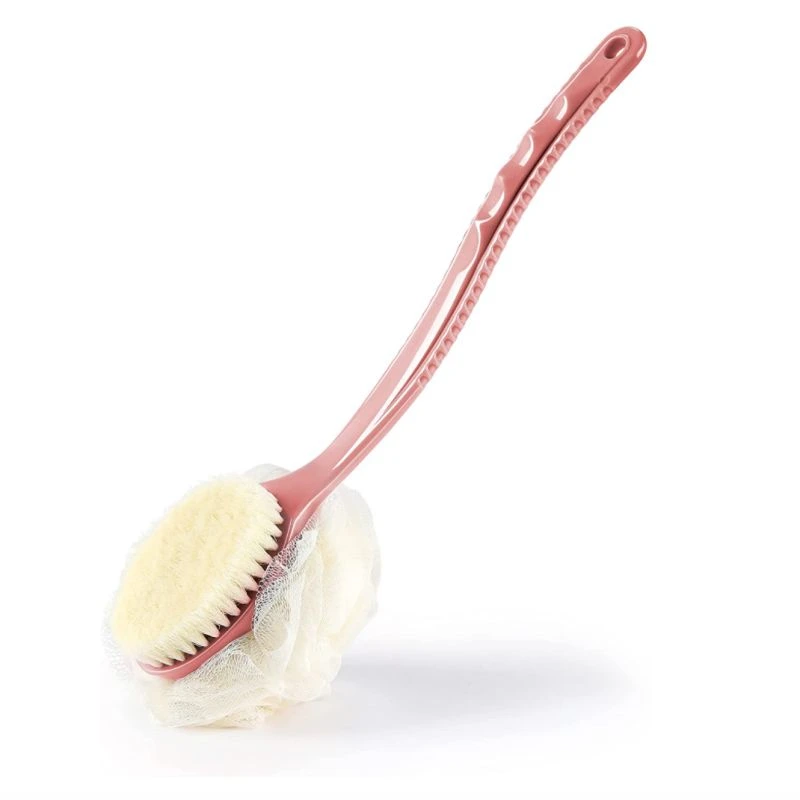
Few manufacturing entities demonstrate the combination of longevity and comprehensive capability as seen in the operations established over two decades ago in eastern China. One such organisation began its journey in the mid-nineties, initially focusing on small-scale plastic accessories and gradually expanding into research, design, and full-scale production. With dedicated areas for fabrication and finished goods storage, the facility houses professional teams overseeing production, design, and quality management. Their portfolio includes a wide spectrum of personal care and household articles, ranging from bath and facial variants to nail care tools, massagers, foot files with pumice stones, storage boxes, and cosmetic mirrors. The consistent thread across all these items is the careful attention to material selection, mould precision, and user-centric design—hallmarks of an experienced manufacturer.
As the industry moves toward more sustainable and user-friendly solutions, enterprises with deep manufacturing roots are best positioned to adapt. Their experience allows them to experiment with new polymers, test innovative bristle geometries, and quickly scale up successful designs. For any stakeholder seeking a reliable source of this indispensable household commodity, the combination of in-house tooling, rigorous quality protocols, and a diverse product range represents a solid foundation. Ultimately, the continued evolution of the everyday plastic brush depends on manufacturers who treat each item not as a disposable commodity, but as a carefully engineered tool that enhances daily routines. Ningbo Haishu Shida Plastic Arts & Crafts Factory (G.P.) stands as a representative example of such commitment, integrating design and production under one roof while maintaining a sharp focus on end-user needs.
In summary, the humble item we call a plastic brush has undergone a remarkable transformation from a simple moulded piece to a sophisticated personal care instrument. Innovations in material science, manufacturing integration, and sustainability will drive the next wave of development. Partners who collaborate with experienced factories—those that have refined their craft over many years—will benefit from shorter development cycles, consistent output quality, and the ability to offer products that genuinely meet modern expectations. The future of this segment is bright, and the factories that combine practical expertise with forward-looking processes will lead the way.


